
Basement waterproofing in Spanaway: what to know
Many Spanaway homes have crawlspaces or slab floors rather than full basements, so the first job is to name what you have. A damp crawlspace usually points to downspouts discharging at the wall, soil graded toward the house, or a silted footing drain. Gravel carries water away quickly, but not when the roof dumps a large volume into one spot.
The exceptions follow the water. The county’s lake plan identifies groundwater as the largest source of inflow to Spanaway Lake, and it runs much higher in winter than in late summer. A lower level near the lake can see that rise. So can low lots near the creeks and the large Spanaway Marsh. Those are lot-specific calls, and gravel does not settle every one.
Permits and rules in Spanaway
Sealing, regrading, and gutter work generally sit outside the permit system. The rules start with the digging and the outlet. Pierce County’s site development triggers include grading within 25 feet of a ditch or creek, altering a drainage course, and moving 50 cubic yards or more, and critical areas add review. A foundation drain should end on your own lot, never in a sanitary sewer or on a neighbor’s land. We confirm what the county requires for a dig at your foundation before we start.
Rules change and vary by parcel, so we confirm the current requirements with the city before we start.
How we approach it
- Trace roof runoff and grading before opening any wall or floor
- Find the septic tank, drainfield, and well before any excavation
- Look at low lots in winter, when groundwater runs highest
- Route the foundation drain to an infiltration outlet on your own lot
For the full process, see our Basement Waterproofing page.
Our basement waterproofing work, serving Spanaway
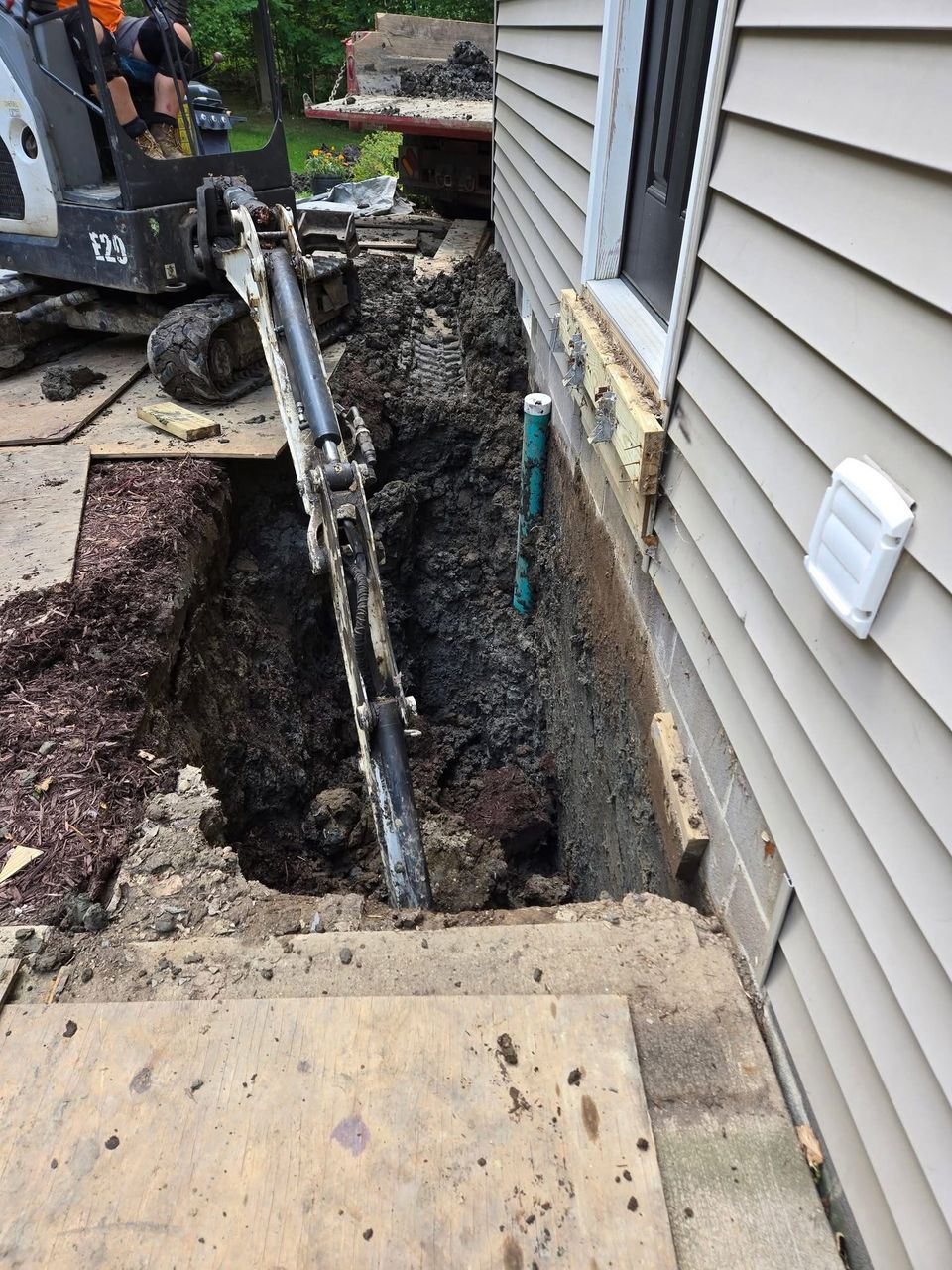
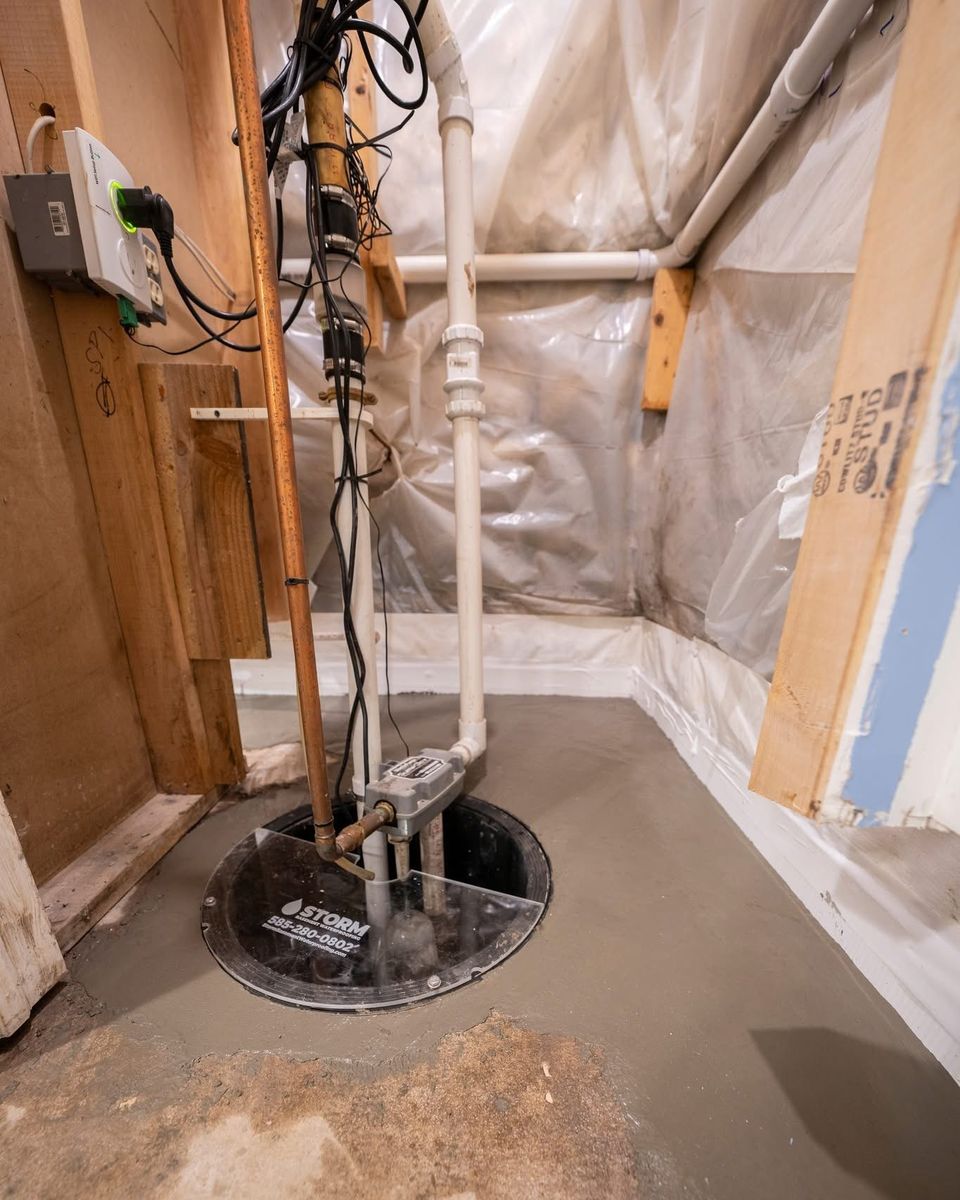


Examples of our work. We build basement waterproofing in Spanaway and the cities around it. See all of our work
Questions from Spanaway homeowners
Is my Spanaway crawlspace damp because of groundwater?
Sometimes, but rarely first. On gravelly ground the common causes are downspouts, grading toward the house, and a clogged footing drain. Lots near the lake, marsh, or creeks are likelier to see real winter groundwater. We look outside first.
Do you need to find my septic system before waterproofing work in Spanaway?
Yes. Tanks, lines, and drainfields can sit close to a house, and new drains have to stay clear of them. The Tacoma-Pierce County Health Department keeps as-built records for septic systems, which tell us where to expect them before the first shovel goes in.
Should I add a sump pump in a gravelly area like Spanaway?
A sump only makes sense when water actually collects below the floor. In quick-draining gravel that is uncommon, and likelier on low ground near the lake. We find the water source first, then decide whether a pump or a gravity outlet fits.
Other work in Spanaway
- Driveways & sidewalks in Spanaway
- Patios & stairs in Spanaway
- Concrete overlays in Spanaway
- Retaining walls in Spanaway
- Drainage & French drains in Spanaway