
Water in a basement or crawlspace almost always has a cause outside the house. Our approach is to find the source first, whether that’s gutters, grading, a failed footing drain, a cracked wall, or high seasonal groundwater, and then fix it there, rather than only managing what makes it inside.
Signs you have a water problem
- Damp or stained walls and floors
- A white, chalky crust on the concrete (efflorescence)
- Water along the wall-floor joint after heavy rain
- A musty smell, or paint that peels off the walls
- Standing water or a sump pump that runs constantly
Why basements leak in western Washington
The Puget Sound lowland is blanketed in dense glacial till, which sheds water slowly. Rain soaks the looser soil near the surface and builds up against foundation walls, then finds any crack, joint, or failed drain. That pressure is strongest from late fall through early spring.
Ways to fix it
- Control water above ground. Gutters, downspout tightlines, and grading that slopes away from the house.
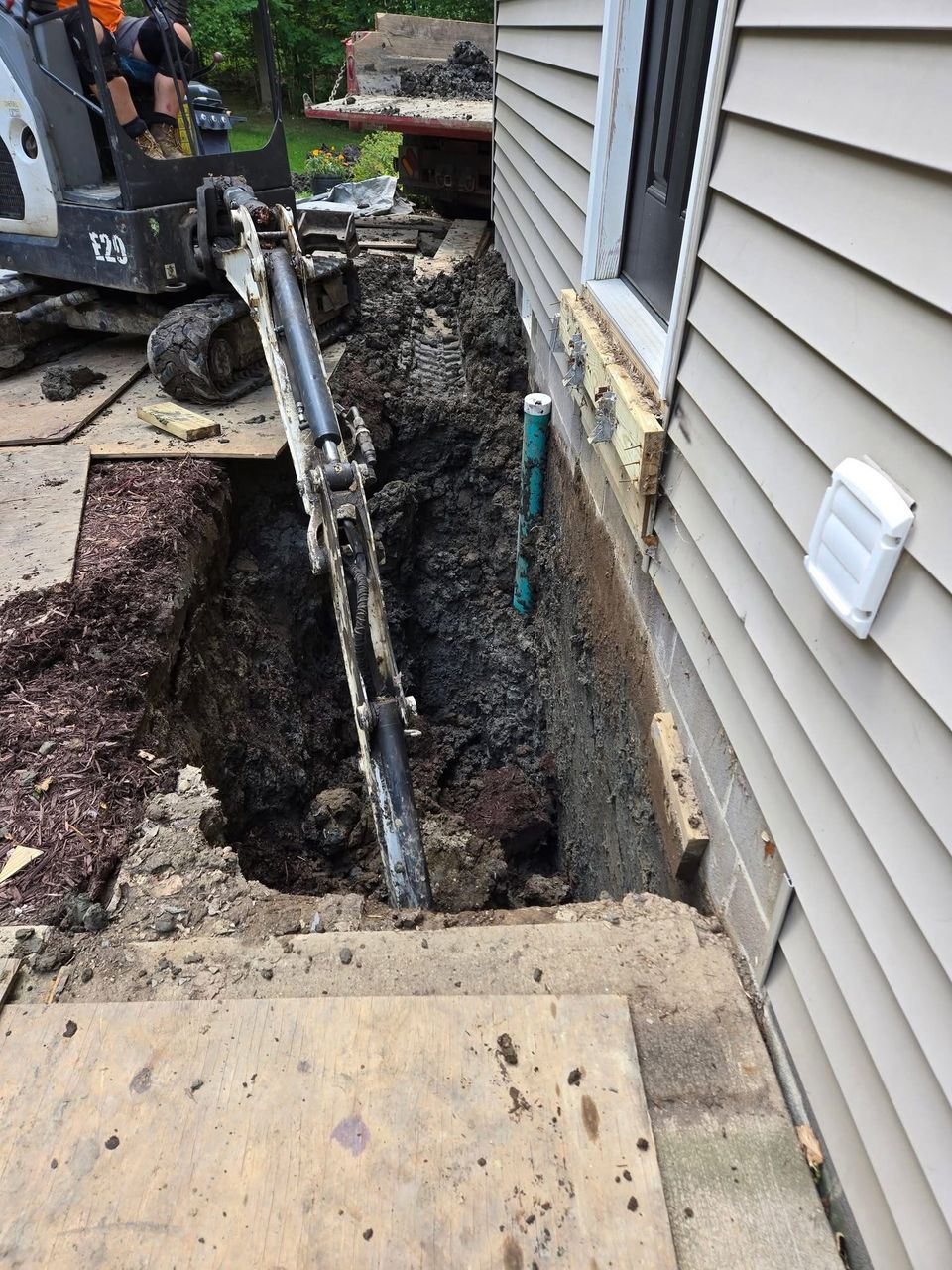
- Exterior waterproofing. Excavate to the footing, repair the wall, apply a membrane and drainage board, and install or replace the footing drain, where access allows.
- Crack and joint repair. Sealing the specific entry points once the water source is dealt with.
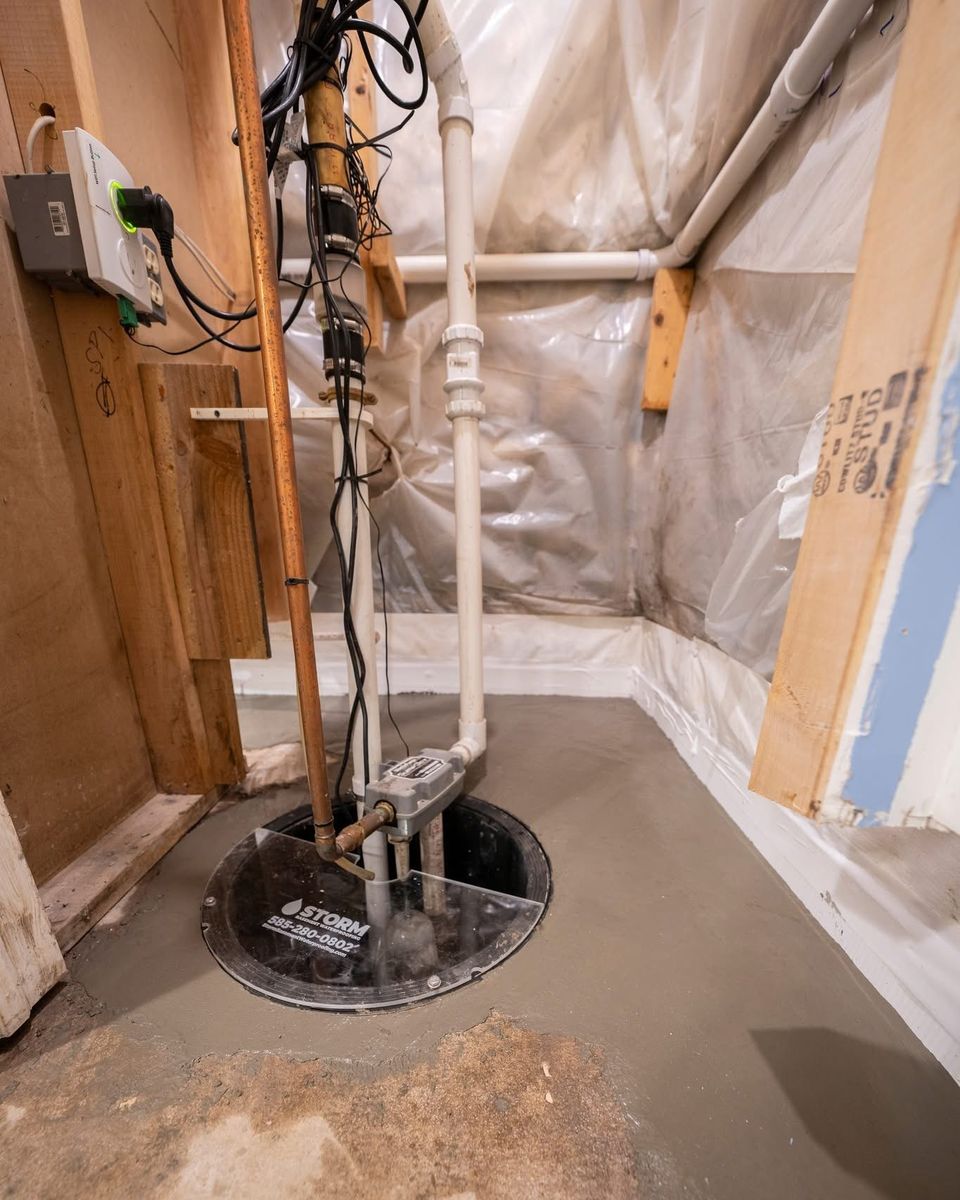
- Interior drainage and sump systems. A practical option when exterior access isn’t possible.
The right mix depends on what the inspection finds. We’ll tell you which repairs are necessary and which are optional.
What to expect
- Inspection. We look at the inside and the outside: gutters, grade, cracks, drains.
- Diagnosis. We explain where the water is coming from and why.
- Plan. The repair, and where the water will go when we’re done.
- Repair. Excavation, repair, membrane, and drainage as needed.
- Backfill and grade. The ground is finished so water runs away from the house.
Where we do this work
- Basement Waterproofing in Federal Way
- Basement Waterproofing in Edgewood
- Basement Waterproofing in University Place
- Basement Waterproofing in Tacoma
- Basement Waterproofing in Lakewood
- Basement Waterproofing in Puyallup
- Basement Waterproofing in Bonney Lake
- Basement Waterproofing in Auburn
- Basement Waterproofing in Des Moines
- Basement Waterproofing in Kent
- Basement Waterproofing in Milton
- Basement Waterproofing in Spanaway
- Basement Waterproofing in Fife
- Basement Waterproofing in Lake Tapps
- Basement Waterproofing in Covington
- Basement Waterproofing in Maple Valley
- Basement Waterproofing in Renton
- Basement Waterproofing in East Renton Highlands
- Basement Waterproofing in Newcastle
- Basement Waterproofing in Mercer Island
- Basement Waterproofing in Issaquah
- Basement Waterproofing in White Center
- Basement Waterproofing in West Seattle
- Basement Waterproofing in Burien
- Basement Waterproofing in Normandy Park
- Basement Waterproofing in Tukwila
See every city we serve on our service areas page.
Our work


Common questions
How do I know if I need waterproofing or just better drainage?
If the water comes from gutters, downspouts, or the yard sloping toward the house, drainage may solve it. If water is coming through the wall, the floor joint, or cracks even with good drainage outside, the foundation needs repair or waterproofing. An inspection tells you which.
Will a sump pump alone fix a wet basement?
A sump pump removes water that has already collected. It doesn’t stop water from reaching the foundation. It’s a good backup, but it works best as part of a system that keeps water away from the wall in the first place.
Is it better to waterproof from the inside or the outside?
Exterior waterproofing stops water before it reaches the wall, and it’s usually the more thorough fix, but it needs excavation access. Interior drainage manages water that has already gotten in. Which one fits depends on your house and your yard.
Can you fix a wet basement in winter?
Yes, and the wet season actually helps because you can see where the water goes. Excavation in saturated soil is slower and muddier, so we plan the work around the weather.