
Basement waterproofing in Kent: what to know
On the valley floor, the first question is whether the house sits in a mapped flood hazard area. Kent’s flood chapter keeps basement floors of new or substantially improved structures at or above the flood protection elevation, base flood elevation plus 2 feet, and limits below-grade crawlspaces. A remodel costing 50 percent or more of the structure’s market value counts as a substantial improvement.
On the hills, water more often arrives from uphill. The NRCS describes Kitsap silt loam, a soil named in Kent’s landslide hazard definition, as lake-laid silt that is somewhat poorly drained, with a seasonal water table from December to May. In that kind of ground, winter seepage is a fair suspect alongside gutters and grading.
Permits and rules in Kent
Sealing, regrading, and gutter work usually sit outside permit review, but digging along a foundation can reach the drainage rules. Kent’s surface water manual starts review of a permitted project at 7,000 square feet of disturbed ground, or when a drainage pipe or ditch 12 inches or larger is built or changed, and sooner near a flood hazard area, stream, lake, or wetland. The footing drain’s outlet is often the harder question. We confirm with the Permit Center and Public Works what an excavation at your foundation involves.
Rules change and vary by parcel, so we confirm the current requirements with the city before we start.
How we approach it
- Find out whether the house sits in a mapped flood hazard area
- Trace gutters, downspouts, and grading on the uphill side before digging
- Treat winter-to-spring seepage as a groundwater clue, not a leak
- Settle the footing drain outlet with the city before backfilling
For the full process, see our Basement Waterproofing page.
Our basement waterproofing work, serving Kent
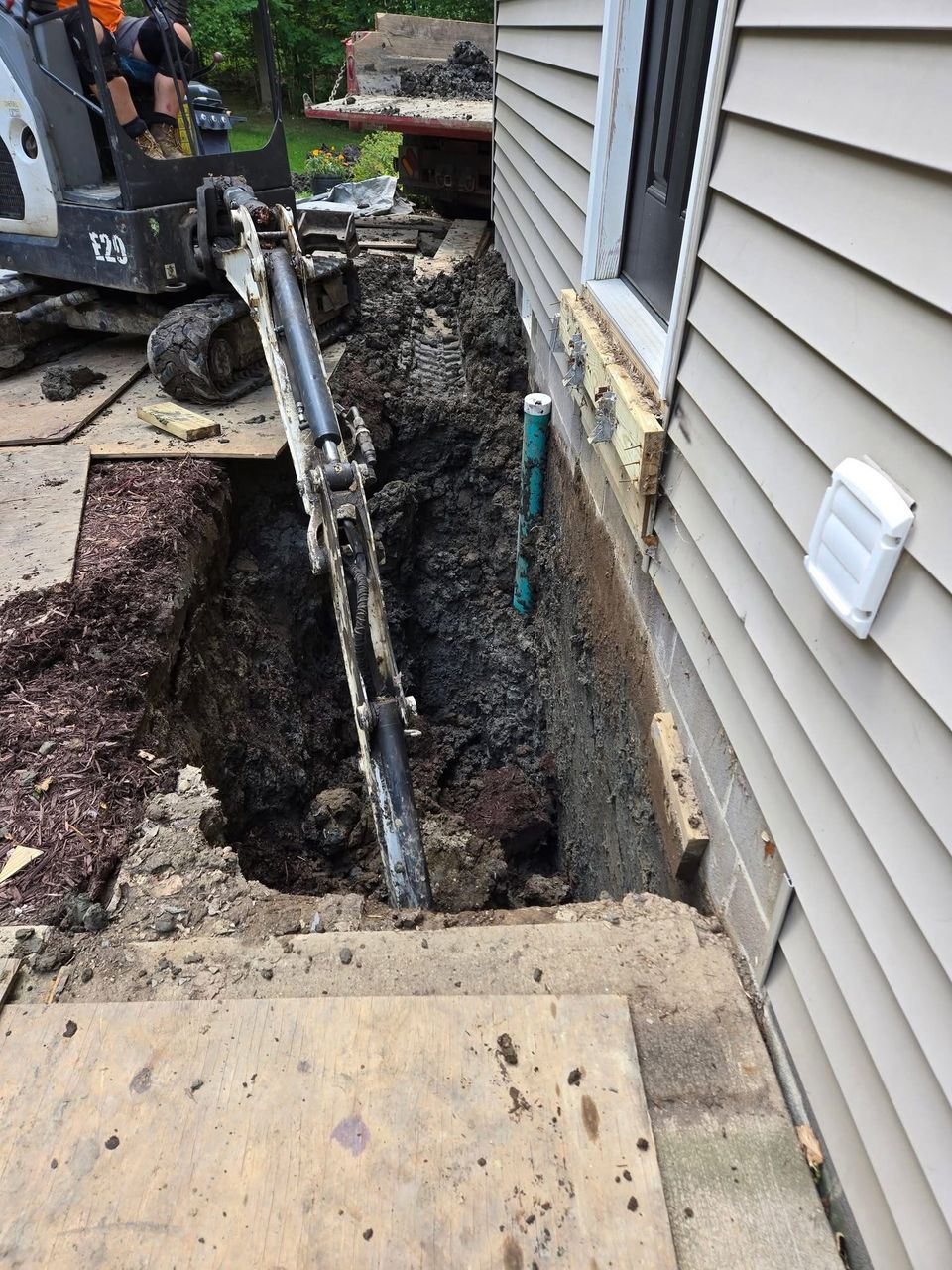
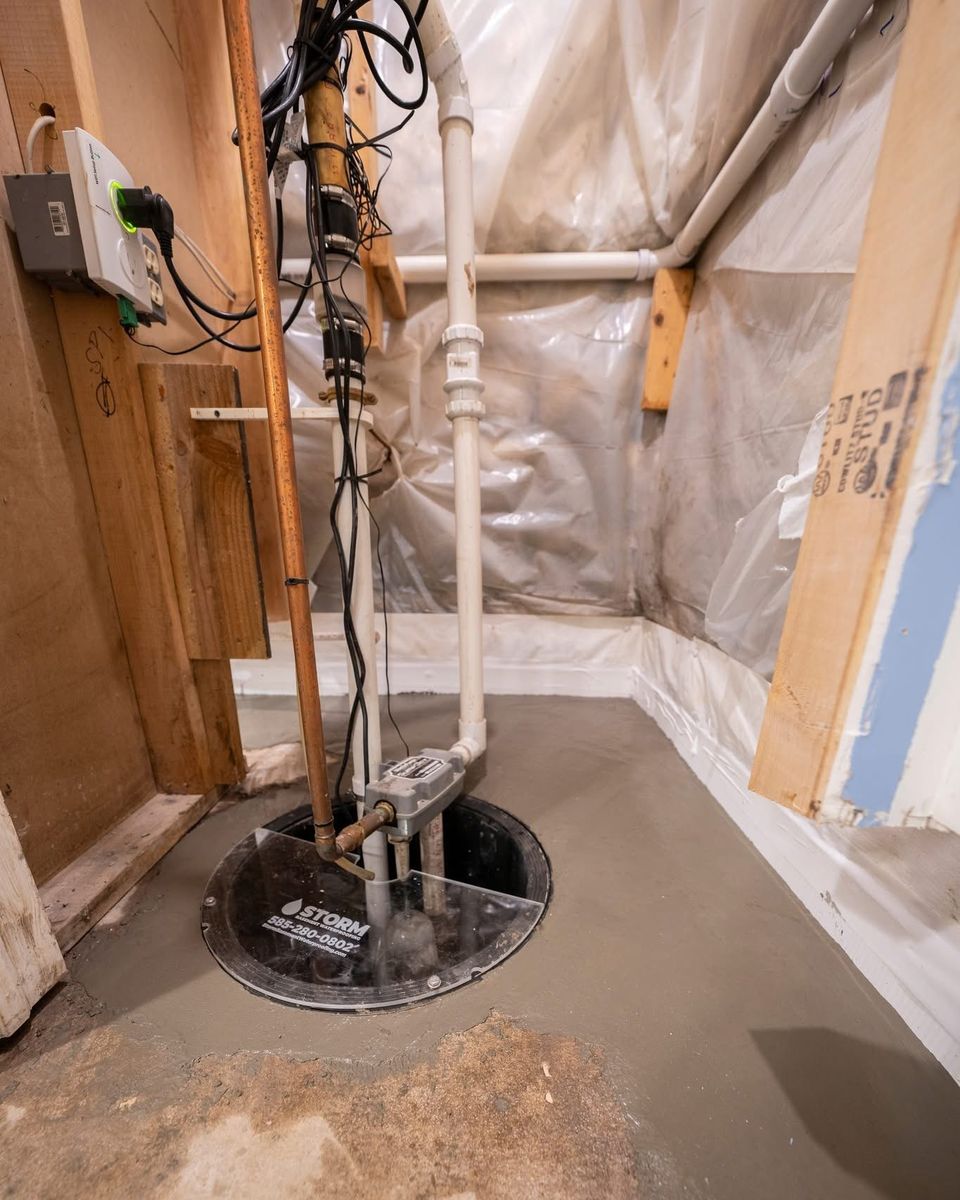


Examples of our work. We build basement waterproofing in Kent and the cities around it. See all of our work
Questions from Kent homeowners
My Kent house is in a flood zone. Can I still waterproof the basement?
Often yes. Repairing an existing basement is different from building a new one. The flood chapter’s basement limits apply to new and substantially improved structures, meaning work costing 50 percent or more of the structure’s market value. We confirm which side of that line your project sits on.
Why is my Kent hillside basement wet in March but dry in August?
A seasonal pattern points to groundwater and surface runoff, not a plumbing leak. Soils like Kitsap silt loam, which Kent’s code names, hold a water table from December to May, per the NRCS. We look at gutters, grading, and the footing drain first.
Does the Kent landslide hazard map matter if I dig along my foundation?
It can. The city’s stormwater map set marks landslide hazard drainage areas, and a site’s offsite analysis checks whether it drains to one. Digging inside a mapped critical area or buffer needs the city’s review first.
Other work in Kent
- Driveways & sidewalks in Kent
- Patios & stairs in Kent
- Concrete overlays in Kent
- Retaining walls in Kent
- Drainage & French drains in Kent