
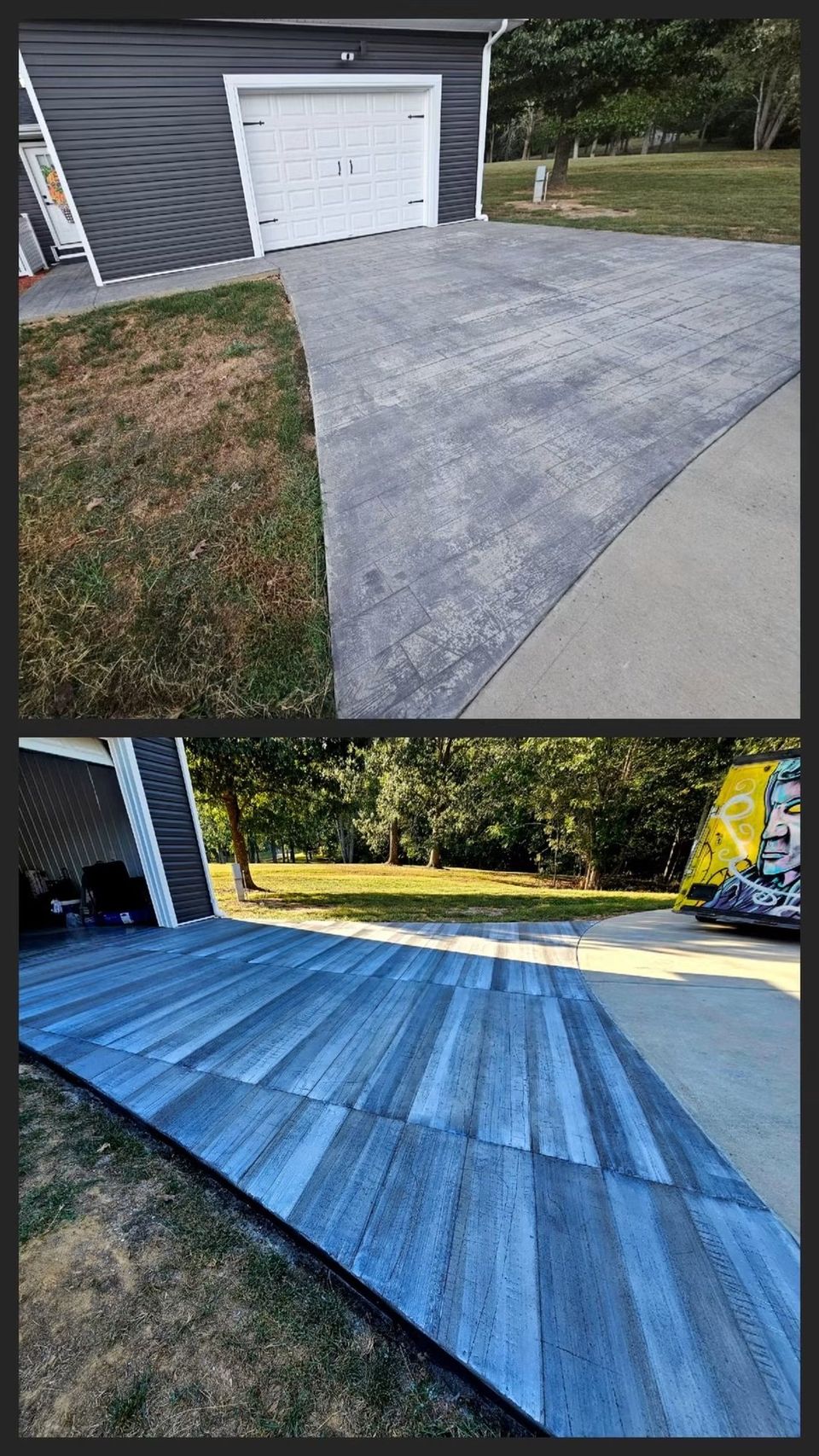
A concrete overlay renews a worn driveway, patio, walkway, or garage floor without tearing it out. It’s a thin, bonded layer of polymer-modified cement that can be stamped, textured, stained, or finished smooth. It’s a good option when the slab underneath is sound, and a poor one when it isn’t.
When an overlay makes sense
- The surface is stained, faded, or dull but the slab is solid
- The top layer is flaking, scaling, or pitted
- Hairline cracks that aren’t moving or widening
- You want a new look, such as a stamped pattern or color, without paying for demolition
When it doesn’t
An overlay follows whatever the slab beneath it does. If the slab has settled, is heaving, or has cracks that are still moving, the overlay will crack too. We check for those problems before we recommend resurfacing, and when replacement is the right answer, we say so.
How we resurface concrete
- Inspect and test. We look for settlement, active cracking, and drainage problems, and check that the surface will bond.
- Clean and prepare. The surface is cleaned and profiled, and cracks and spalls are repaired.
- Apply the overlay. A bond coat goes down first, then the overlay in one or more layers. Thickness runs from a thin skim coat for smooth finishes to a quarter inch or more for stamped patterns.
- Texture, stamp, and color. This is where the finish takes shape.
- Seal. The sealer protects the surface and sets the sheen and the traction.
Finishes
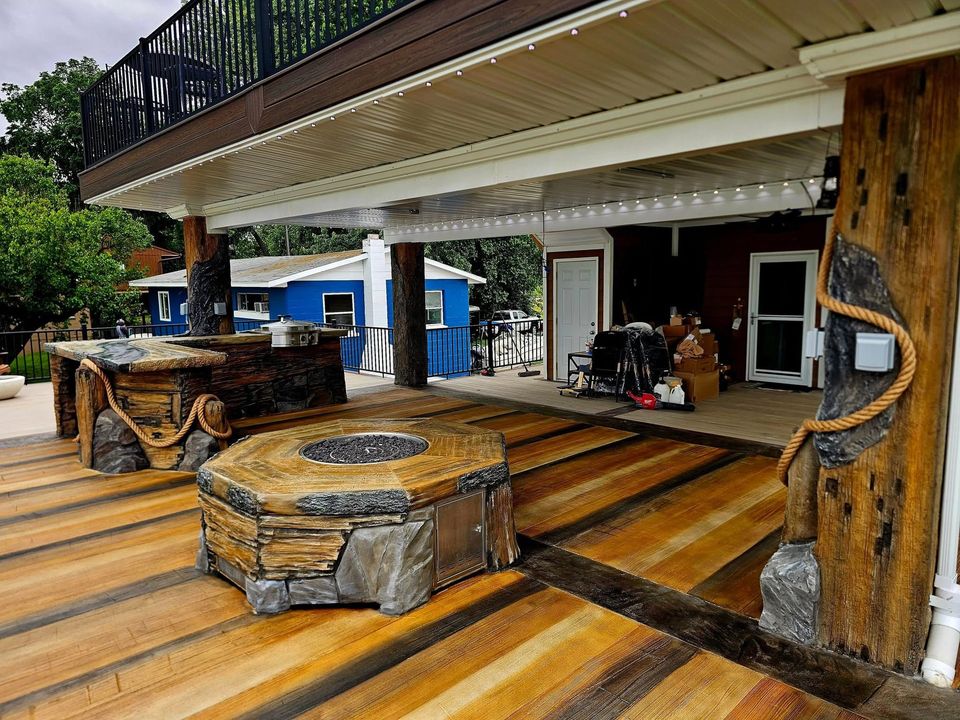
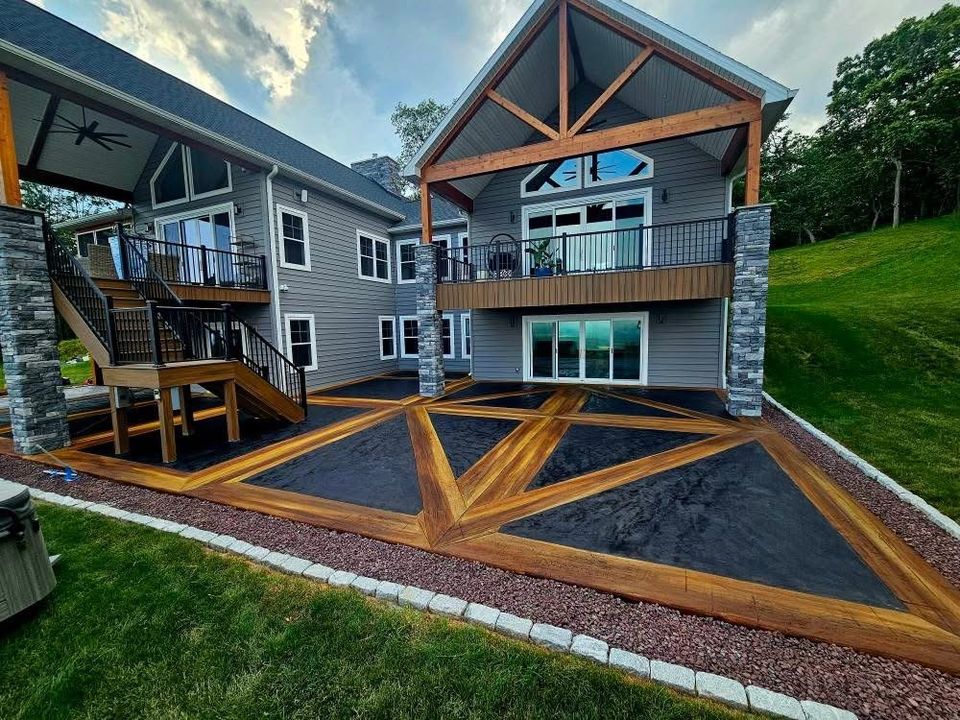
Stamped overlays can imitate stone, slate, or brick. Textured finishes are the practical choice for wet areas. Stains and integral color add depth, and smooth microtopping gives a clean, modern surface for areas that stay dry. In a climate as wet as ours, we choose textures and sealers that stay safe when the surface is wet.
Care
Sealers wear down. Plan to reseal every few years, depending on traffic and exposure, and keep moss and algae off shaded areas.
Where we do this work
- Concrete Overlays in Federal Way
- Concrete Overlays in Edgewood
- Concrete Overlays in University Place
- Concrete Overlays in Tacoma
- Concrete Overlays in Lakewood
- Concrete Overlays in Puyallup
- Concrete Overlays in Bonney Lake
- Concrete Overlays in Auburn
- Concrete Overlays in Des Moines
- Concrete Overlays in Kent
- Concrete Overlays in Milton
- Concrete Overlays in Spanaway
- Concrete Overlays in Fife
- Concrete Overlays in Lake Tapps
- Concrete Overlays in Covington
- Concrete Overlays in Maple Valley
- Concrete Overlays in Renton
- Concrete Overlays in East Renton Highlands
- Concrete Overlays in Newcastle
- Concrete Overlays in Mercer Island
- Concrete Overlays in Issaquah
- Concrete Overlays in White Center
- Concrete Overlays in West Seattle
- Concrete Overlays in Burien
- Concrete Overlays in Normandy Park
- Concrete Overlays in Tukwila
See every city we serve on our service areas page.
Planning a project for the cold months? Read our step-by-step guide to winter concrete pours.
Our work


Common questions
Can a concrete overlay cover cracks?
It can cover hairline cracks that have stopped moving, once they’re repaired. It can’t stop a crack that’s still moving or hide a slab that’s settling, because the overlay will crack along the same line. We check the cause first.
How long does a concrete overlay last?
It depends on how well the slab was prepared, how much traffic it sees, and how well it’s sealed and maintained. Good preparation and periodic resealing matter more than any other factor.
Can you put an overlay on any concrete?
Not any. The concrete has to be structurally sound and clean enough to bond, and old sealers or coatings have to be removed. An overlay isn’t for asphalt or for slabs that have failed underneath.
Is an overlay cheaper than replacing the slab?
Usually it costs less than tearing out and replacing, but only if the slab is a good candidate. If the base has failed, resurfacing is money spent on a short-term fix.