
Concrete overlays in Lakewood: what to know
Gravel and sand under a slab drain freely, so an old Lakewood slab is less likely to have sunk from a saturated base than one on wet till. When these slabs fail, it is usually the surface: scaling, pitting, stains, and moss in shade. That is what an overlay can fix. Root heave, open cracks, or a corner that has dropped are not surface problems, and an overlay would only copy them.
With most of the city’s housing built between 1950 and 1979, plenty of concrete is old enough to look worn and may still be sound. Shaded yards under trees collect leaf litter that stains smooth surfaces and feeds moss, and a textured, sealed finish is easier to clean. Lakefront slabs keep their footprint under an overlay, which matters where shoreline limits count new hard surface.
Permits and rules in Lakewood
A resurfacing normally leaves the footprint unchanged, which is what the city’s drainage thresholds and shoreline limits are built around. Work on a sidewalk, apron, or other public right-of-way surface still needs a right-of-way permit. Lakefront parcels and critical areas can carry their own review, and exempt work must still meet code. Before we quote, we check current requirements with Planning and Public Works.
Rules change and vary by parcel, so we confirm the current requirements with the city before we start.
How we approach it
- Sound the slab for hollow spots and measure crack widths before agreeing
- Cut out root-lifted or dropped sections and replace them first
- Choose a texture that releases leaf litter and grips under shade
- Keep footprint and slope unchanged unless the city has cleared a change
For the full process, see our Concrete Overlays page.
Building in the cold months? See our guide to winter concrete pours.
Our concrete overlays work, serving Lakewood
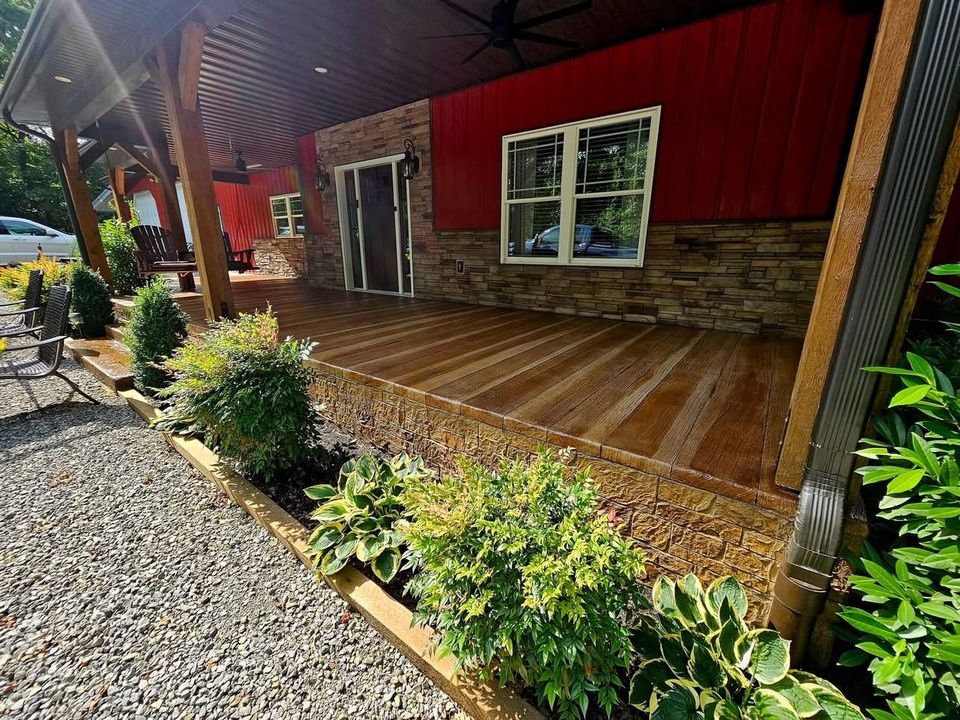
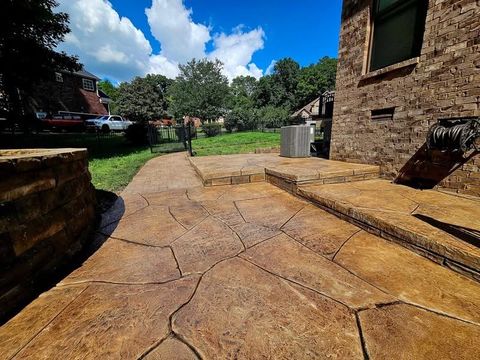
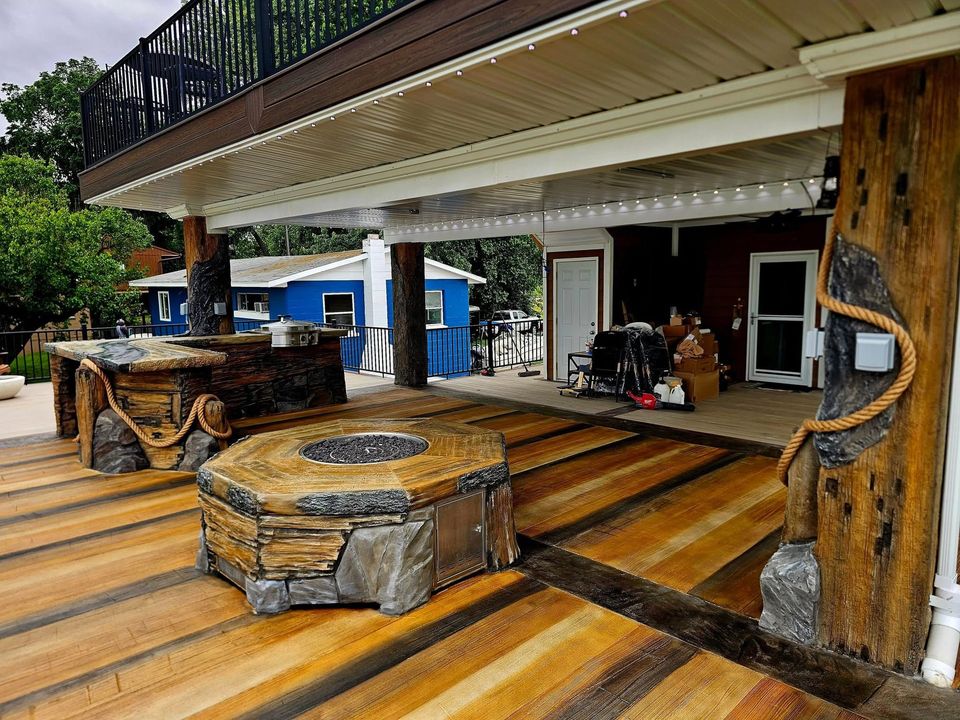


Examples of our work. We build concrete overlays in Lakewood and the cities around it. See all of our work
Questions from Lakewood homeowners
Will an overlay hide the cracks in my 1960s Lakewood driveway?
Only hairline cracks that have stopped moving, and only after repair. A crack still opening from roots or a failed corner will reflect through the overlay. We look at why the slab cracked first, and we say so when replacement is the better call.
Is an overlay allowed on a lakefront patio in Lakewood?
Resurfacing keeps the slab’s footprint, so it is a lighter question than new paving. Shoreline lots still carry extra review for hard surface and for work near the water. We confirm with the city whether an overlay needs anything before we quote.
Can a Lakewood garage floor be resurfaced?
Yes, if the slab is sound and dry. Gravel soil helps, since moisture is less likely to wick up from a saturated base. We repair cracks, profile the surface, and pick a finish for tires and spills. A floor that slopes to a drain needs a separate look.
Other work in Lakewood
- Driveways & sidewalks in Lakewood
- Patios & stairs in Lakewood
- Retaining walls in Lakewood
- Basement waterproofing in Lakewood
- Drainage & French drains in Lakewood