
Basement waterproofing in West Seattle: what to know
Seattle’s landslide study describes pervious sand sitting on dense, relatively impervious Lawton Clay, with groundwater perched on the clay. On a hillside lot, that water moves sideways through the soil and can load the uphill wall of a house cut into the slope. It shows up in the wet months and fades in summer. Flatter lots more often trace back to roof water, grading, or a worn footing drain.
Where the water goes next is regulated. Footing drains and downspout connections are service drains that the owner maintains, and SDCI inspects the connection before it is covered. Some lines are formerly combined sewers, and SPU’s rule keeps footing drain water out of those too. Its Water and Sewer Map shows each mainline’s permitted use.
Permits and rules in West Seattle
Seattle requires a permit before work on side sewers and service drains, including repairs, alterations, and new installations. Emergency repairs can start first, with an application the next business day. In a steep slope or other critical area, the grading permit line drops to more than 25 cubic yards, and a dig deeper than 3 feet beside the right-of-way can need a shoring permit. Before pricing, we confirm those thresholds with SDCI.
Rules change and vary by parcel, so we confirm the current requirements with the city before we start.
How we approach it
- Name the foundation type, then trace gutters, grading, and springs outside
- Read the problem during the wet months, when hillside seepage shows
- Find the footing drain’s real outlet before proposing any repair
- Check the dig’s volume and depth against SDCI’s 25 cubic yard ECA line
For the full process, see our Basement Waterproofing page.
Our basement waterproofing work, serving West Seattle
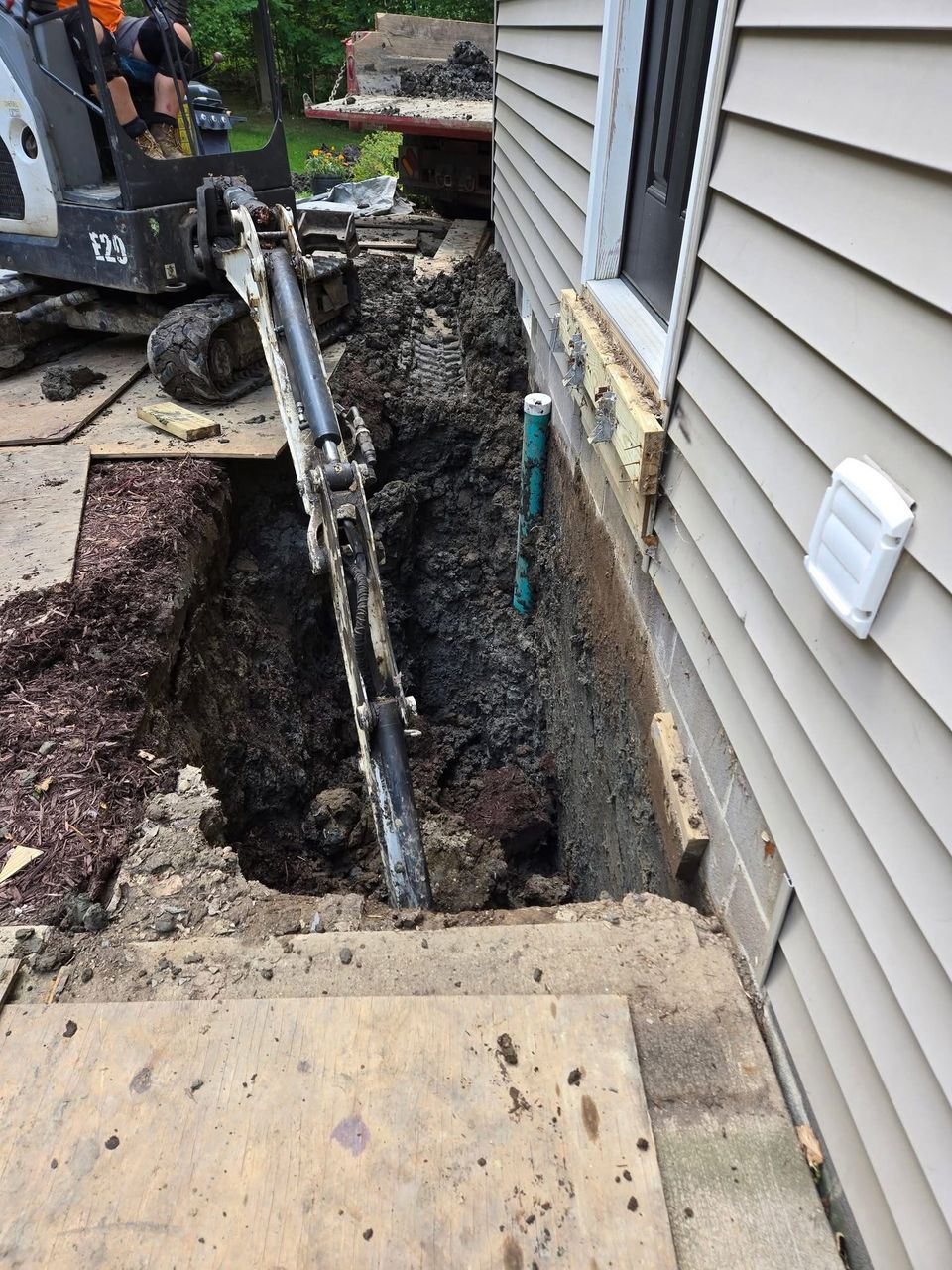
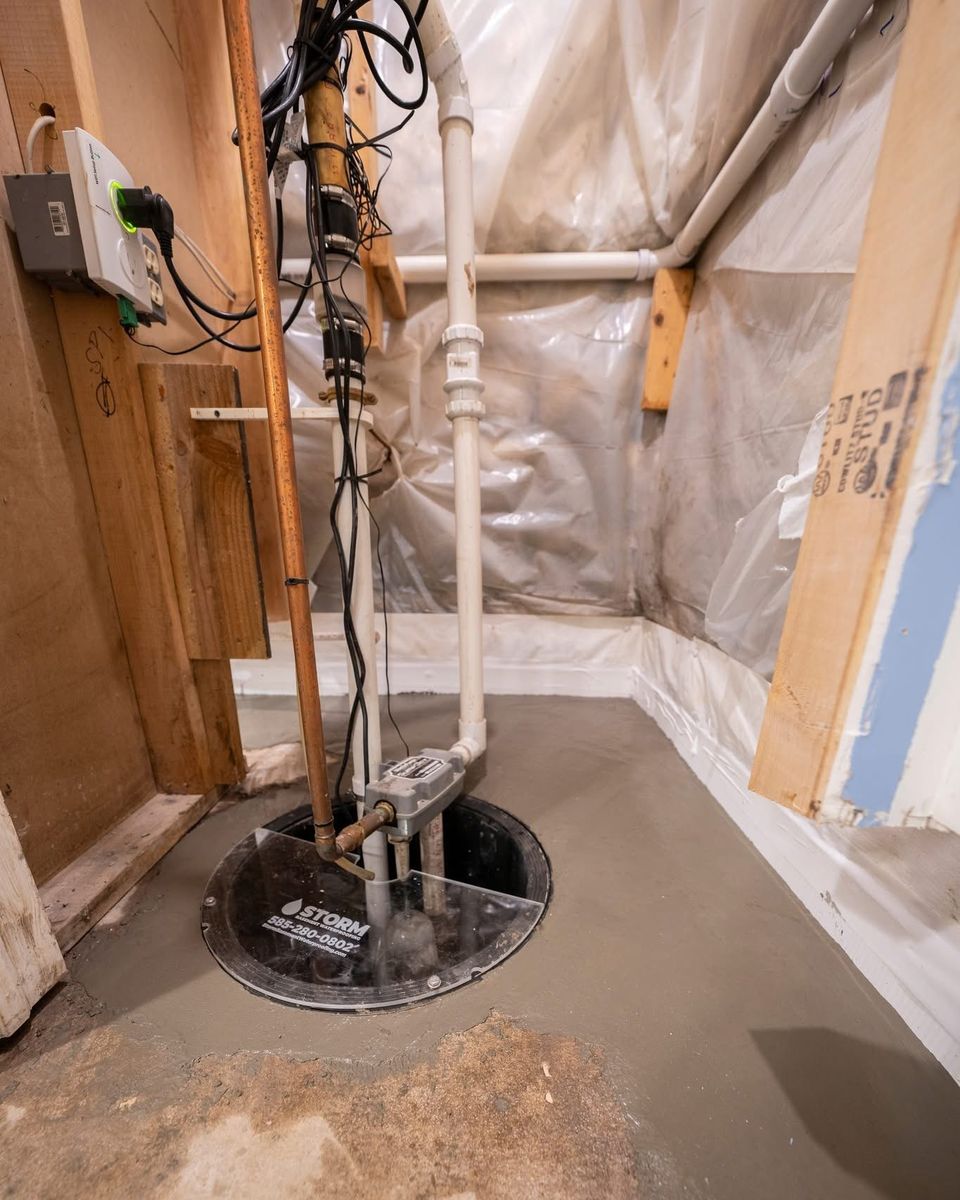


Examples of our work. We build basement waterproofing in West Seattle and the cities around it. See all of our work
Questions from West Seattle homeowners
Can my West Seattle footing drain tie into the sewer?
Not into a sanitary sewer. SPU’s drainage rule says stormwater and groundwater, footing drains included, may not enter one, even on a line that was once combined. We trace your drain’s outlet and check it against the mainline’s permitted use before proposing a fix.
Do I need a permit to repair a side sewer or footing drain connection in West Seattle?
Generally yes. SDCI requires a permit before work on side sewers and service drains, which include footing drain connections. Emergency repairs may start first if the application follows by the next business day. An SDCI inspector checks the pipe before it is covered.
Why does my West Seattle hillside basement leak only in winter?
A seasonal pattern points to groundwater or runoff, not a plumbing leak. A USGS study of the Alki slide shows how water perches on clay and surfaces as hillside springs. We check outside sources first, since fixing them often dries the wall.
Other work in West Seattle
- Driveways & sidewalks in West Seattle
- Patios & stairs in West Seattle
- Concrete overlays in West Seattle
- Retaining walls in West Seattle
- Drainage & French drains in West Seattle