
Basement waterproofing in Fife: what to know
Depth is the constraint. The water table is about 10 to 15 feet down in parts of Fife, and the city’s drainage code asks for groundwater depth across every season and tide cycle, so a below-grade floor can sit near the water for part of the year. Digging an exterior trench to a footing in that ground can mean water in the hole, and the plan has to account for it before anyone starts.
For crawlspaces and slabs the work is mostly about moving water off the foundation: gutters tied to a real discharge, grading that falls away from the house, a perimeter or footing drain, and a sump where gravity will not do the job. On a flat lot a downspout dumping beside the wall is a common source.
Permits and rules in Fife
Sealing cracks and regrading are generally lighter than structural work. In Fife the bigger question is the flood chapter: inside a mapped flood hazard area the community development director administers it, and work costing 50 percent or more of a building’s market value counts as a substantial improvement. Excavating in the street or sidewalk takes a right-of-way permit from the city engineer. We confirm what Fife requires for an excavation at your foundation before we dig.
Rules change and vary by parcel, so we confirm the current requirements with the city before we start.
How we approach it
- Trace the water first: gutters, grade, footing drain, and groundwater depth
- Treat crawlspace and slab moisture before proposing any deep excavation
- Plan the discharge point and any pump before the drain goes in
- Match interior drain and sump options to a high water table
For the full process, see our Basement Waterproofing page.
Our basement waterproofing work, serving Fife
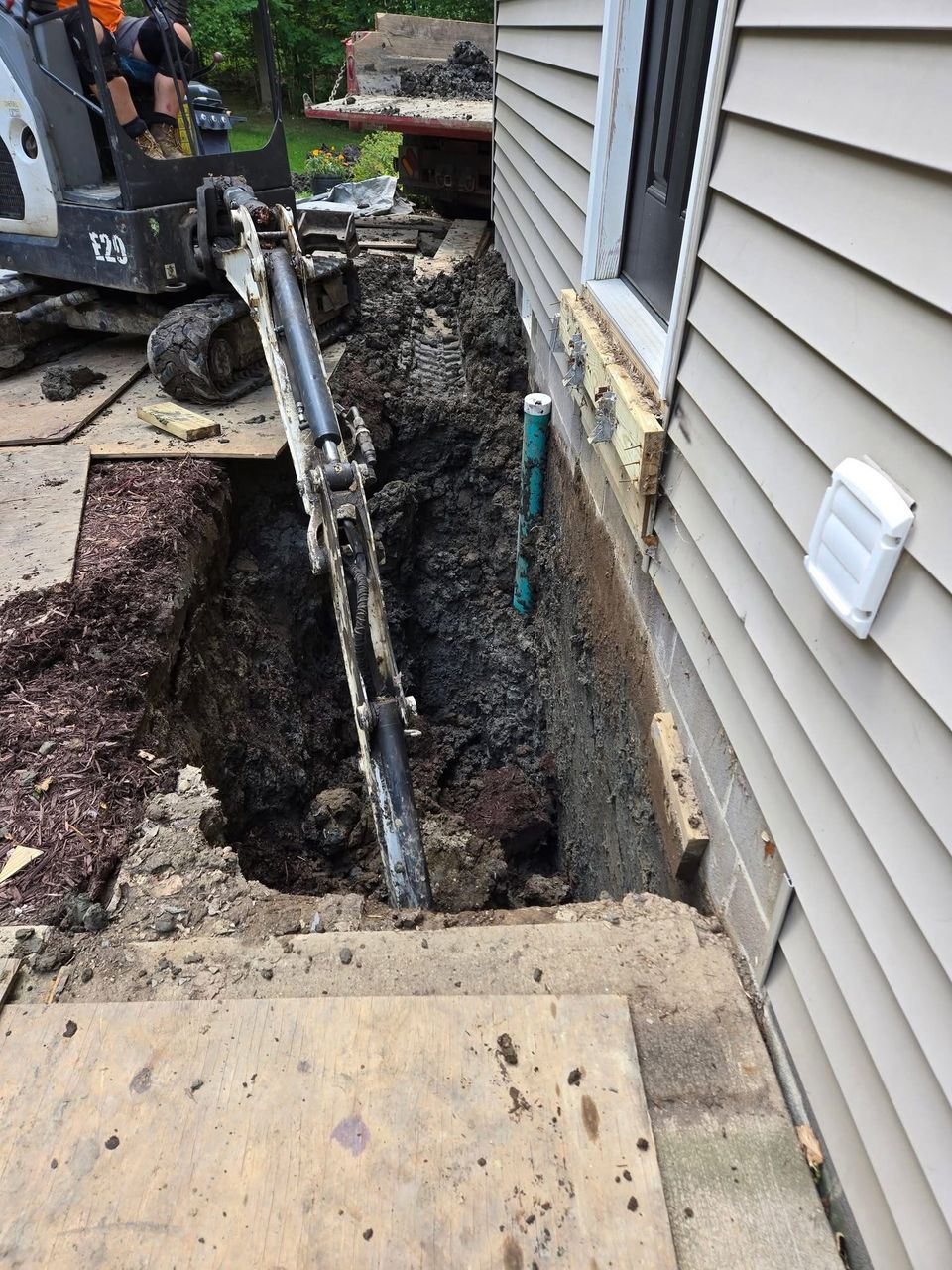
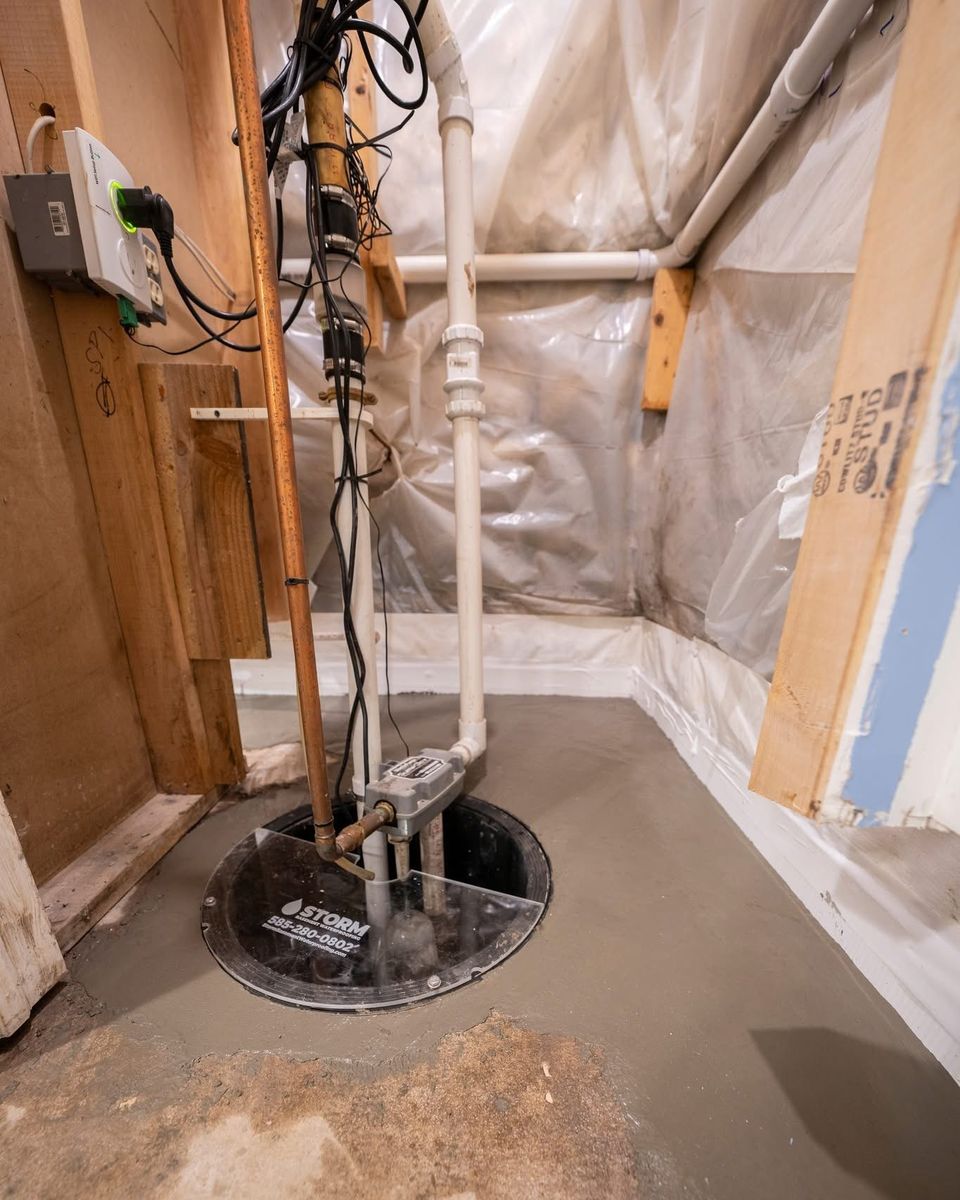


Examples of our work. We build basement waterproofing in Fife and the cities around it. See all of our work
Questions from Fife homeowners
Where can a sump pump or footing drain discharge in Fife?
The city’s discharge rules keep anything but stormwater out of the storm drain, yet they list footing drains, foundation drains, and crawlspace pump water among discharges not treated as illegal unless the public works director finds pollution. We confirm your outlet with the city before design.
Can I finish or dig out a basement in a Fife flood area?
The flood chapter requires the lowest floor, basement included, to sit at least one foot above base flood elevation, and it generally prohibits fully enclosed areas below that level. Outside flood areas, ask Community Development.
Why is my Fife crawlspace wet in winter and dry in summer?
Rain and groundwater both rise in the wet season, and the water table here is only 10 to 15 feet down in places. We look for where water enters, then fix grading, gutters, or drains before considering anything inside.
Other work in Fife
- Driveways & sidewalks in Fife
- Patios & stairs in Fife
- Concrete overlays in Fife
- Retaining walls in Fife
- Drainage & French drains in Fife