
Basement waterproofing in SeaTac: what to know
The city’s stormwater code adopts the King County Surface Water Design Manual with a SeaTac addendum, so drainage requirements for a site run through that manual. We confirm which of its requirements reach your lot before we change the way water leaves the house. Gutters, downspouts, and grade come first in our check, because they set how much water reaches the wall before any soil is opened.
Excavation for a repair is where the clearing code applies. The clearing code’s on-site excavation clause for basements and footings does not reach fill made from that excavation, or an unsupported height over four feet after completion. A footing drain tie-in that modifies a storm drain or ditch 12 inches or larger is a clearing and grading trigger, so we confirm the outlet before the trench is cut.
Permits and rules in SeaTac
We confirm with the city whether a repair dig needs a permit before we open the ground. The city’s list of triggers includes the construction or modification of a 12-inch or larger storm drain or ditch, and a project next to a flood, erosion, steep slope, landslide, or seismic hazard area also triggers review. Drainage systems for stormwater are among the city’s right-of-way examples, so an outlet that reaches the street gets checked against that permit as well.
Rules change and vary by parcel, so we confirm the current requirements with the city before we start.
How we approach it
- Check the gutters, downspouts, and grade first, and open the ground only if needed
- Watch the wall base through wet weather for seepage lines and damp patches
- Keep each dig within the clearing code limits and confirm the path first
- Confirm the outlet, and any storm drain or ditch change, before the trench is cut
For the full process, see our Basement Waterproofing page.
Our basement waterproofing work, serving SeaTac
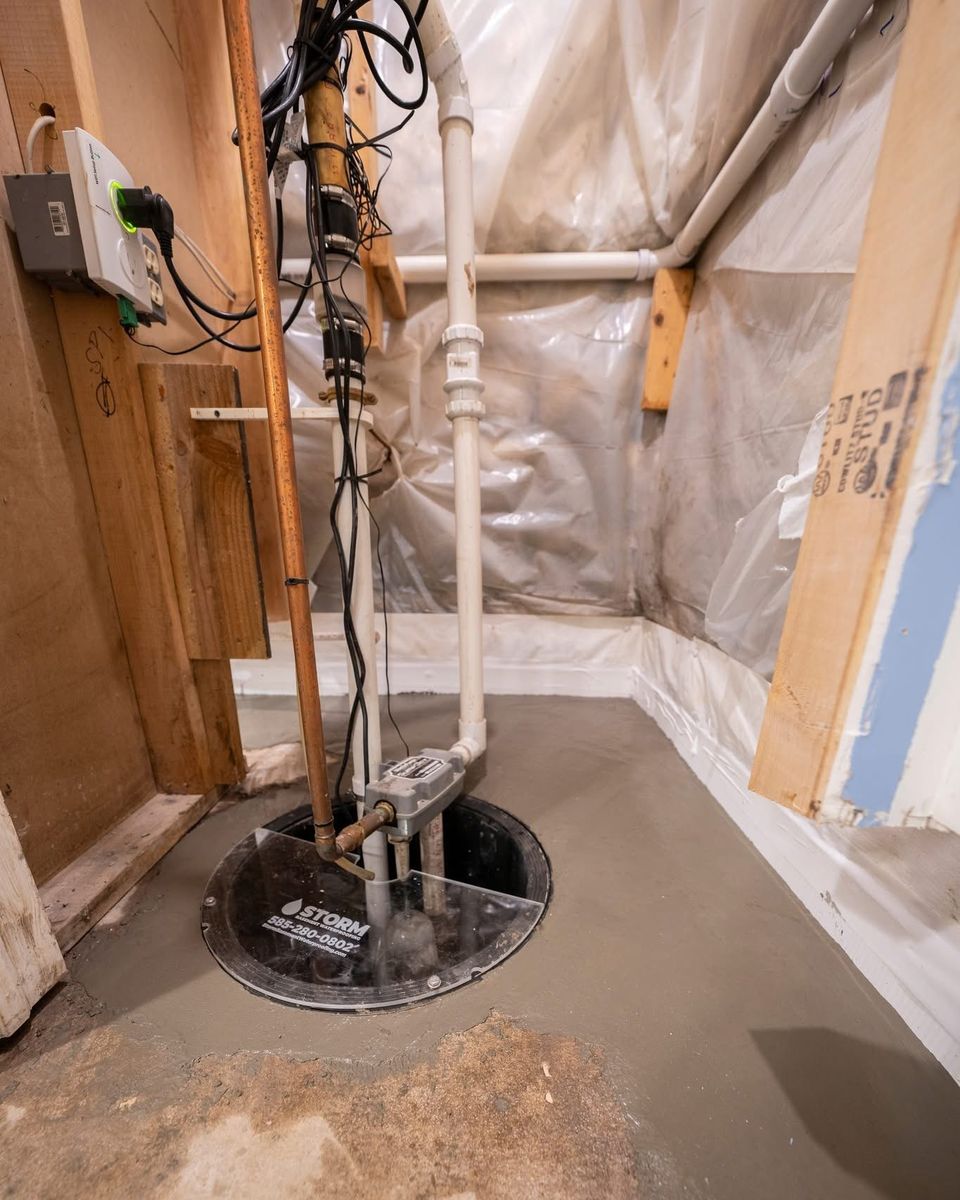
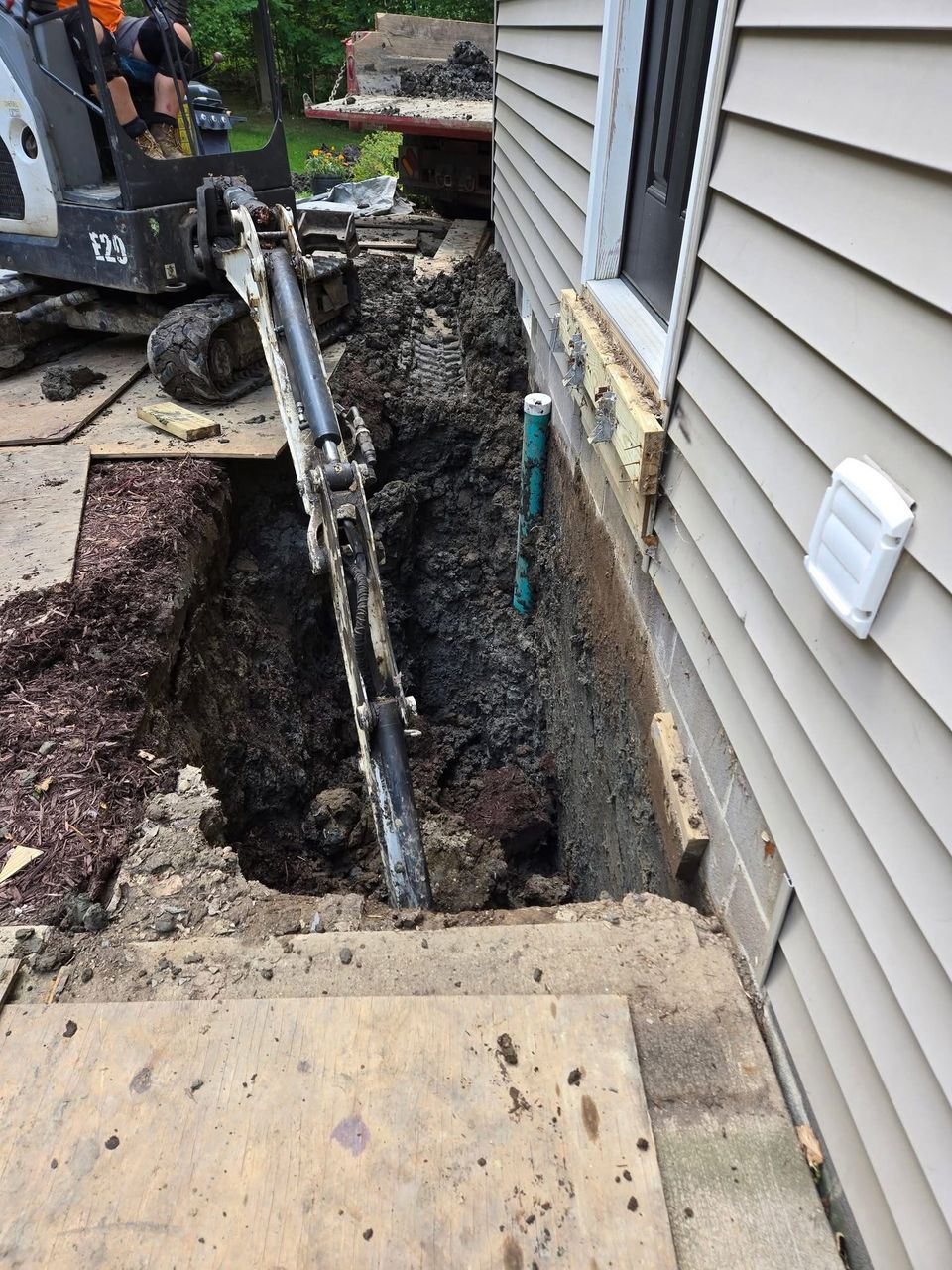


Examples of our work. We build basement waterproofing in SeaTac and the cities around it. See all of our work
Questions from SeaTac homeowners
Why does a SeaTac basement take water in the wet season?
Water can reach a basement from outside first, through the grade, the gutters, or the footing drain. We trace those before choosing a repair, because the crack that shows the water is not always the way it entered.
Does a basement repair dig in SeaTac need a clearing and grading permit?
It depends on the dig. Section 13.190.045(G) of the clearing code covers excavation less than four feet deep that does not involve more than 50 cubic yards of earth, and the (A) clause says fill from the dig and an unsupported height over four feet after completion are not exempt. We confirm the dig with the city before the ground is opened.
Can a footing drain in SeaTac tie into the city storm system?
We confirm first. The city lists the construction or modification of a 12-inch or larger storm drain or ditch as a clearing and grading trigger, and its right-of-way examples include drainage systems for stormwater. We check the outlet with the city before any tie-in is made.
Other work in SeaTac
- Driveways & sidewalks in SeaTac
- Patios & stairs in SeaTac
- Concrete overlays in SeaTac
- Retaining walls in SeaTac
- Drainage & French drains in SeaTac