
Patios & stairs in White Center: what to know
Think of 30 inches above grade as the line. The county’s no-permit list covers sidewalks, decks, and driveways up to that height, so long as no basement or lower story sits beneath them. Patios are not named, which makes a raised patio with steps a case we confirm. Critical areas, setbacks, steep slopes, and impervious lot coverage can pull exempt work back into permit territory.
Most of the area is zoned R-6, six homes per acre, so a large slab takes a real share of the yard. Drainage review names patios among the surfaces it counts. If your lot is on septic, Public Health holds the records, and urban King County has nearly 40,000 on-site systems, many past their expected life.
Permits and rules in White Center
Unincorporated King County runs building, grading, and drainage review through one office, the Permitting Division of the Department of Local Services. New impervious surface past 2,000 square feet, or any grading around a critical area, means a grading permit. Septic approval from Public Health travels with the county application. We confirm with King County Permits how a raised slab and its steps are classified before we quote.
Rules change and vary by parcel, so we confirm the current requirements with the city before we start.
How we approach it
- Measure finished slab height at the house wall before drawing steps
- Learn whether the lot is on sewer or septic, then mark tank and field
- Add the patio to the project’s new-surface total before fixing its size
- Slope runoff toward the lot’s existing drainage path and away from the foundation
For the full process, see our Concrete Patios & Stairs page.
Building in the cold months? See our guide to winter concrete pours.
Our patios & stairs work, serving White Center
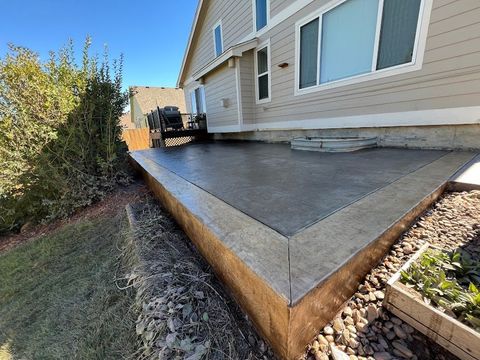
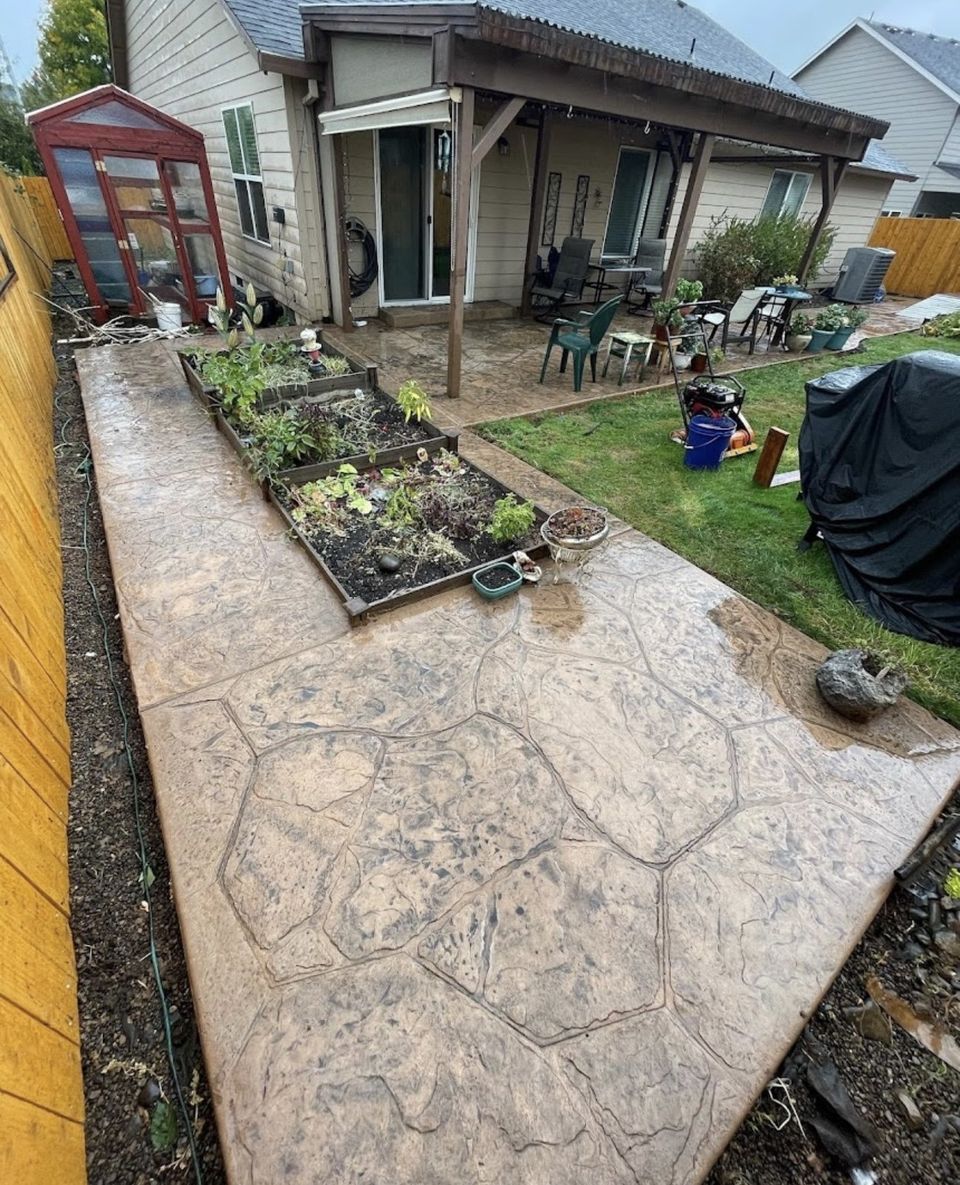
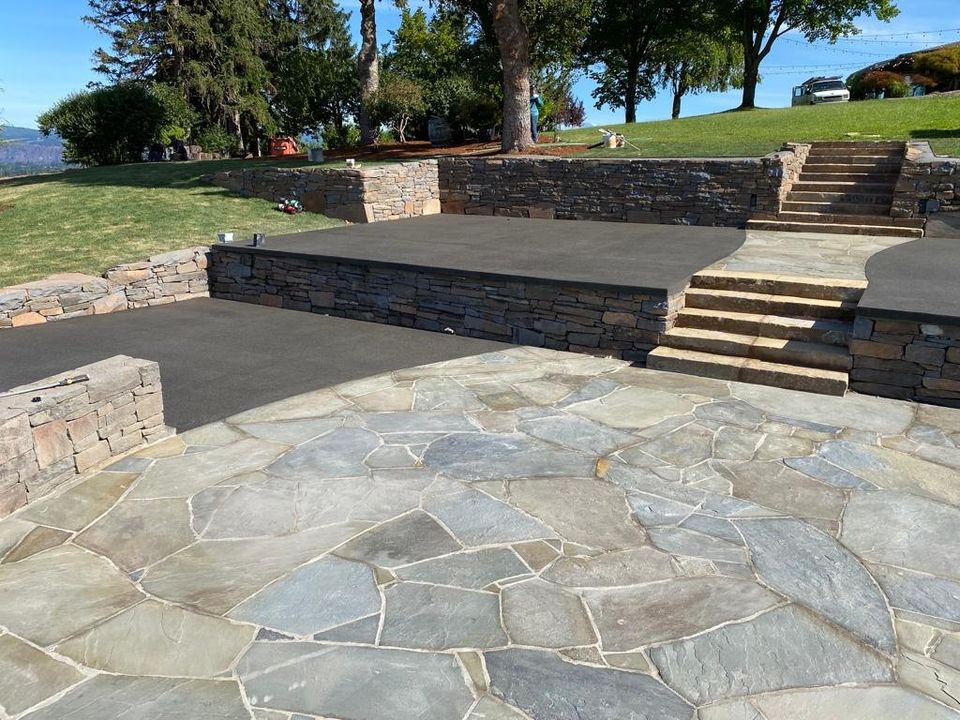


Examples of our work. We build patios & stairs in White Center and the cities around it. See all of our work
Questions from White Center homeowners
How high can a patio sit in White Center before King County wants a permit?
The no-permit list stops at 30 inches above grade for sidewalks, decks, and driveways. Patios are not named, so a raised slab with steps is a judgment call, and critical areas, setbacks, or flood zones can remove the exemption. We ask King County Permits before building anything raised.
Will a new patio push my White Center project over the 2,000 square foot line?
It can. The residential drainage review counts new and replaced impervious surface together and names patios, driveways, and parking areas. Under 2,000 square feet, with the other conditions met, no review applies. Add a new walk or wider driveway in the same job and the total grows.
Is my White Center house on septic, and does that matter for a patio?
Public Health, Seattle & King County keeps an online database of official septic records. The county’s plan names Southwest Suburban Sewer and Water District and Valley View Sewer District among the area’s providers. We search the record for your address, then confirm any tank or field on the ground.
Other work in White Center
- Driveways & sidewalks in White Center
- Concrete overlays in White Center
- Retaining walls in White Center
- Basement waterproofing in White Center
- Drainage & French drains in White Center